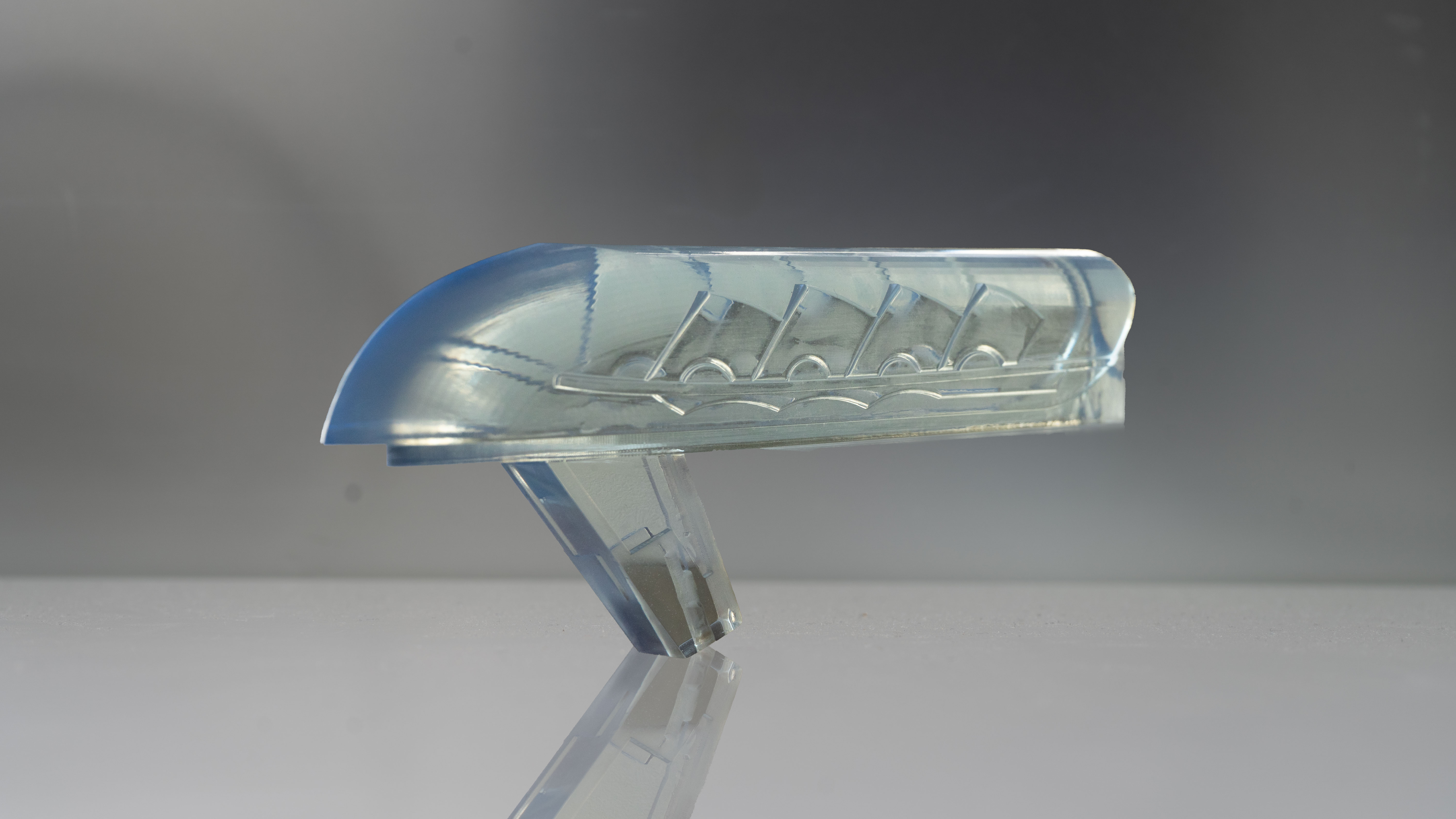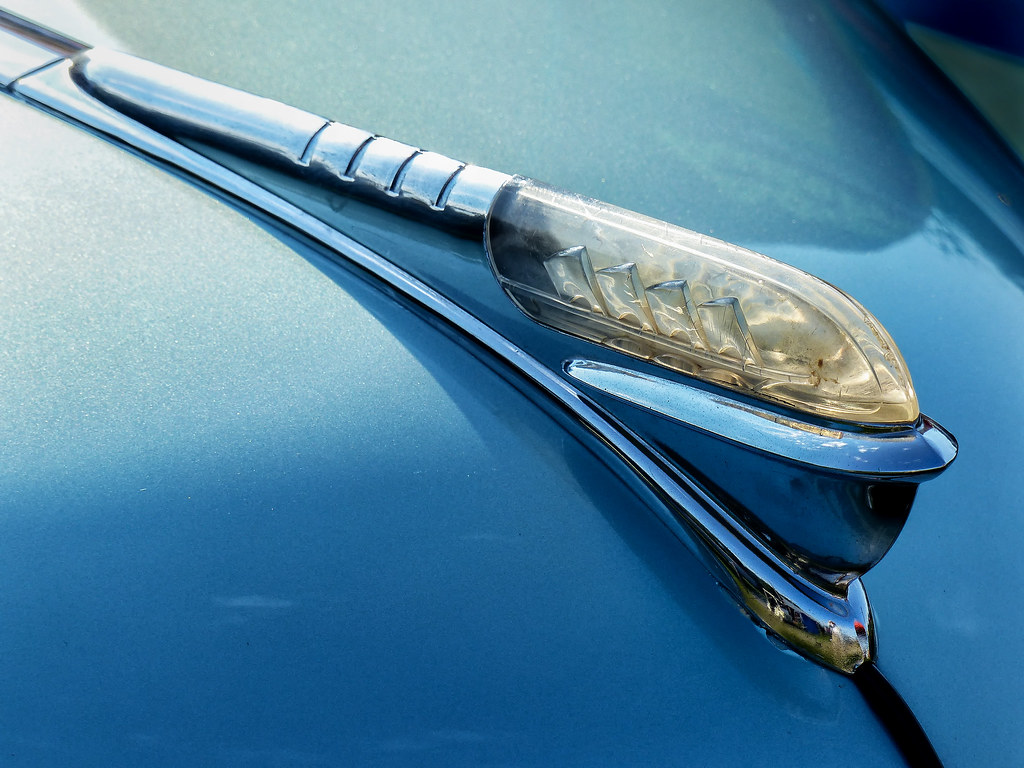
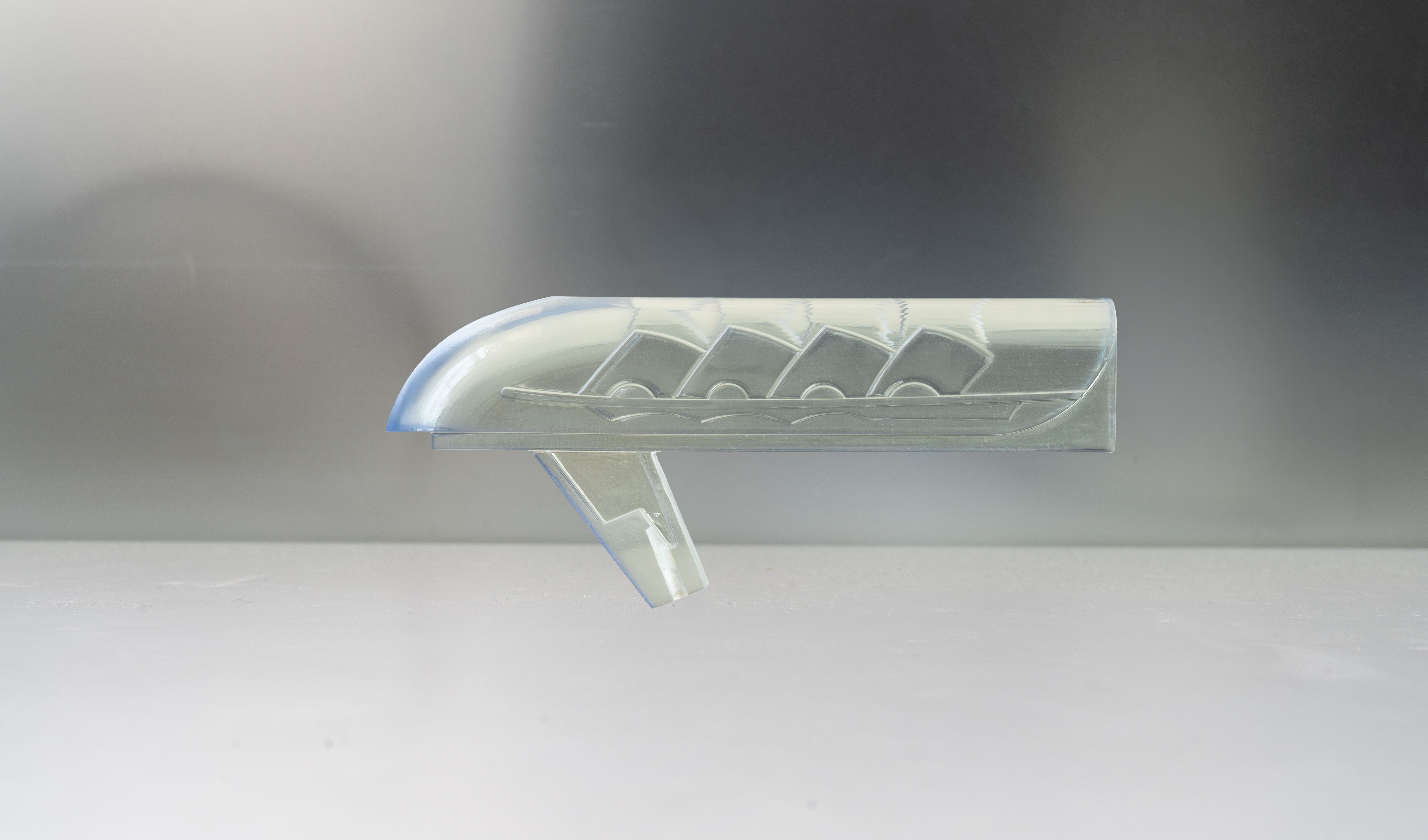
When the owner of a beautifully preserved 1947 Plymouth came to us, he had one request: bring back the original hood ornament — a piece that had long been lost to time. The ornament, a signature chrome-finish sculptural element of post-war American automotive design, had no existing replacement on the market.
Our approach combined historical research, digital engineering, and additive manufacturing to produce a replacement that is visually identical to the original — and structurally sound enough for real-world use.
Historical Research & Reference
We sourced archival photographs, factory documentation, and reference parts from collectors across Europe and the US. This gave us enough data to reconstruct the geometry with confidence before a single measurement was taken.
3D Scanning & Digital Reconstruction
- High-resolution structured-light scan of surviving fragments
- Manual NURBS reconstruction of damaged or missing geometry
- Parametric surface refinement matched to period-correct profiles
- Tolerance checking against factory spec drawings
Modeling & Prototyping
The digital model was iterated three times — each prototype printed in SLA grey resin for physical review, measured against reference, and refined. Surface quality at this scale required print resolutions of 25 microns.
Final Production
The approved model was printed in transparent SLA resin to replicate the light-transmission properties of the original chrome-glass composite. Post-processing included sanding through 2000 grit, UV polishing, and a custom chrome-effect coating applied by a partner finishing studio.
The result was fitted to the vehicle and presented at the 2025 Classic Car Show in Porto. The owner described it as "indistinguishable from the original." That's the bar we set for every restoration project.
.jpeg)